
The U.S. Strike on Venezuela (Jan 3, 2026)
What Happened — What People Are Missing

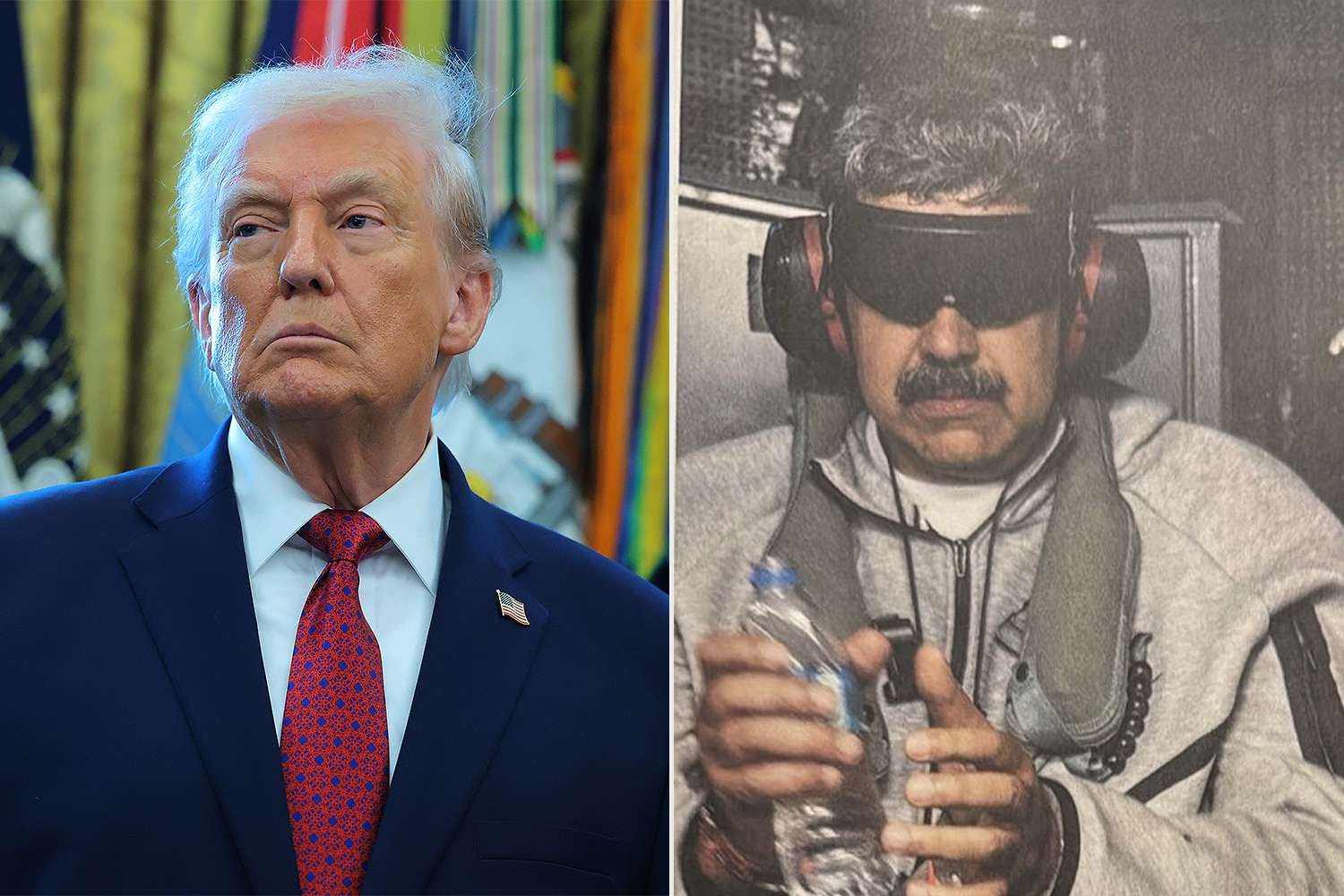
Controversial Newsletter for Expats & Nomads Brief #1 (January 3, 2026): `
Most people are reacting to the headline like it’s the story.
“U.S. strikes Venezuela.”
“Maduro captured.”
“Regime change.”
“Oil.”
“Panama 2.0.”
This is mainly for my readers in Latin America. The headline isn’t the point. The second-order effects are the point. Those are the things that might affect you first: possible migration pressure, new border politics, sanctions spillover, banking friction, travel issues, and a shift in what Mexico and other governments will say and do.
The internet will fight about whether this was justified, legal, moral, or “based.”
I care about something else: timelines, legitimacy, logistics, and boring systems that can either turn this into stability and profit… or a vacuum that stays violent for coming years.
This article will attempt to do three things.
First, I’ll try to lay out what is credibly known as of January 3, 2026, versus what is still unconfirmed.
Second, I’ll try to explain why most commentary is shallow and is treating the capture as the finish line.
Third, I’ll translate what I matters for people living in Mexico or operating across Latin America:
What happened
Confirmed / broadly reported by major outlets
Early morning, January 3, 2026 (Caracas): Multiple explosions and low-flying aircraft were reported around ~2 a.m. local time, with visuals showing smoke and blasts in the capital area.
Shortly after: President Donald Trump publicly say that U.S. forces carried out a “large-scale” action and that Nicolás Maduro and his wife, Cilia Flores, were captured and removed from Venezuela.
Same day: Reports say Maduro and Flores were captured and transported out, and that U.S. officials said they would face charges in the New York.
Venezuelan government response: Venezuela denounced the strikes as “military aggression,” declared a national emergency posture, and urged mobilization.
International reaction begin: Mexico and many Venezualan aligned countries publicly condem the U.S. intervention. There are even protest outside the US embassy in Mexico City.
Oil infrastructure status : Reports say major production/refining facilities are not damaged. Which tells me the logistics nodes were kept intact.


Unnconfirmed
No one knows who actually controls Venezuela right now: “Captured” is a statement. It doesn’t mean things are over. As Kobe said “Job’ not finished”
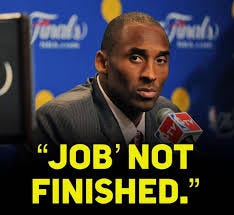
This is what the majority of people are missing.
Latin America has a long memory about how these stories play out, especially when they’re driven by a U.S. domestic narrative first and a governance reality second.
The difference between a meme and me is that I ask: what happens next?
What people are missing
Miss #1: The headline victory is not the governance problem
A raid is only an event.
Governance is still a supply chain plus paperwork.
Capturing Maduro is a tactical sucess and a strategic incompletion, because “the regime” is not one person. It’s a network. Maduro still has
security chiefs and their patronage systems
intelligence services
armed civilian groups and informal enforcers
ministries that control permits, import licenses, and payroll
business gatekeepers who keep money moving
foreign partners
If Maduro is truly removed from the local system, the next question is not just “who’s president.”

My next question is: who runs the ports, fuel, and payments on Monday morning?
The vacuum needs to get filled fast. Otherwise you may see rebel groups gunning for power. And the vacuum is rarely filled by the most democratic actor. It’s filled by the fastest actor with coercion or money. A U.S back actor will of course, take time given Maduro’s circle acts on his behalf and everyone needs to be replaced
Miss #2: Oil isn’t just oil
Most takes will reduce this to: “Trump did it for the oil.”
That’s lazy. Oil is part of it, but what matters is how quickly they become a tool for leverage. How quickly can things be stabilized
Since December 2025, the U.S. imposed blockadse on oil tankers in and out of Venezuela and seized cargoes, which reportedly cut exports roughly in half from late-2025 levels and pushed shippers to avoid Venezuelan waters.
You don’t need to be an oil trader to figure out that shipping companies might continue avoid a region until things are stable ( Don’t forget that Venezuala’s defence minister has still not surrendered. Even with a crippled infrastructures, they still may fight.
Money wise, I’m not sure we are at a “buy X” or “short Y” moment just yet.
Miss #3: LATAM Political spillover
If you live in Latin America, Mexico, Mexico City we might start seeing second-order effects trickle down soon.
U.S. domestic politics is now reframing Latin America as a theater again. Which means pressure on Mexico to “cooperate” more aggressively on border and enforcement narratives.


Mexico’s government also to signal sovereignty to its audiences while managing this relationship. I personally think privately, Mexico will cooperate, publically they must keep their first up for optics.
The unspoken question Mexican policymakers think about is now…
If the U.S. can do that to Venezuela, what can/will it do elsewhere.

Miss #4: Migration pressure
Venezuela already represents one of the largest displacement crises in the world. Supposedly, there are 7.9 million globally.

Even if fighting doesn’t expand, we will likely see families hedging bets on leaving or returning, brain drain or professionals trying to get in. Possible Venezuelans getting hit and then movement to Colombia → Central America → Mexico → U.S.
Brazil is also a factor that many leave out of the LATAM debate. Brazil also condemned the intervention.
Now connect the dots to Mexico. Mexico is a corridor country. If Venezuela stays unstable in a way that creates new outflows, Mexico will feel it also, and Mexico is a constant hotbed for Latin chaos and border politics.
There’s also a word that surprises people.
Reciprocity.
Mexico` and other latin countires may take US intervention in turn it into their own policy shifts. Not because Mexico wants to make life harder for expats, but b ecause Mexico’s leadership has to manage its legitimacy

Miss #5: Banking and compliance
If you’ve ever run payroll across borders, moved a large wire, tried to open an account as a foreigner…you already understand this.
While we have nothing to do with Venezuela, in order for anyone to see profit you’ll either have to bring suitcases of cash or deal with a lot of compliance scrutiny on payments. People are already talking about buying up property in Venezuela. How? The banking system is gone.

We can probably expect to see crypto-based companies pull some weight in the smaller arenas while the country gets itself together.
Miss #6: Ideology VS Time
The ideological fight has been “Won” we get the headlines but the next task are…
Standing up a credible transition authority. Trump talking about the U.S. “running” Venezuela temporarily and tapping oil, but…
They will also secure key infrastructure without fragmenting violence, restore port operations, probably begin to a djust sanctions and prevent “vacuum economics” (looting, extortion, warlordism)
That typically takes months, and if we are honest with how the US usually runs timelines, it could even take years.
Latin America Changes We Might See
Travel friction and narrative risk
Physical safety in Mexico or anywhere in the world will not change because of strikes in Venezuela.
But travel systems may react to headlines. Airlines, insurers, and governments update advisories. Border agents get “heightened awareness” memos. People might even see extra questioning become normal for a while. I won’t say that many countries are “hostile” to America - But no one is partically happy to be bullied, and even if they are aligned, they see the power that can be flexed.
Lots of people will be traveling to Brazil and the Carribean for Carnival so don’t panic, but be ready to put up with extra bullshit.
Residency and bureaucracy
Mexican bureaucracy responds to political heat by becoming more formal. Mexico has already announced that it’s essentially doubling all the fees on residency for 2026.

If you’re mid-process (residency renewal, banking setup, importing goods, setting up a business entity) … Get your files clean. Have backups. Expect delays.
Media cycles: sovereignty messaging + “don’t let this happen here”
I expect the more media discourse to lean into the sovereignty, non-intervention, Latin American unity farming ect.
It likely doesn’t mean Mexico or any country is about to break up with the U.S. B
For expats, the practical implication is: don’t be surprised if anti-intervention sentiment spikes online, even among people you thought you were cool with or people who don’t care about Venezuela.
If you’re an American living here, stay emotionally neutral in public.

Security perception vs reality
One of the more predictable second-order effects is that U.S. discourse will start lumping the region into one bucket: “narco states,” “failed states,” “we have to act.”
Most people are dumb and will call for more war now that they have a taste of success.
Pattern history ( probably nothing..but useful info to remember)
Removing a leader is easier than replacing a system.
Sometimes the successor is worse. Sometimes the successor is five successors.
“Humanitarian” becomes logistics.
Countries that didn’t “cause” the crisis still pay the bill.
U.S. actions in Latin America always generate a sovereignty backlash even from governments that hate the target.
No government wants to normalize external force in the region.
If you’re considering relocating to Mexico in 2026
Don’t let headlines distort your Mexico model. Mexico is not Venezuela.
The Mexico Move Blueprint

Are you ready to swap the grind for a life of vibrant culture, year-round sunshine, and a lower cost of living? Moving to Mexico is an big move, but the red tape can be overwhelming.
Next Up
This first article of this type that I’ve written. But if you like it, I plan to go deep as there is alreayd some attention from people interested in going to Venezuala for whatever reason…Or making money from this situation.
I likely be writing a “Best/worst scenario” for Venezuela’s next 90 days
Question for you: What do you think people are ignoring about this situation?
Please don’t forget to like the article to boost it in the Substack algorithm.
If you like my work, subscribe to the paid section to get access to more exclusive articles