
The U.S.–Venezuelan Invasion: A Tactical Analysis of a Hypothetical Plan
How It Could Unfold and What Could Go Wrong

This is a hypothetical piece. It’s my opinion based on educated guesswork and knowledge as a former military logistics officer. I’m not in any way saying I want an invasion of Venezuela to take place, or that what I write is in any way based on knowledge other than public information. If you disagree, that’s not only allowed, it’s the point. Start a conversation.
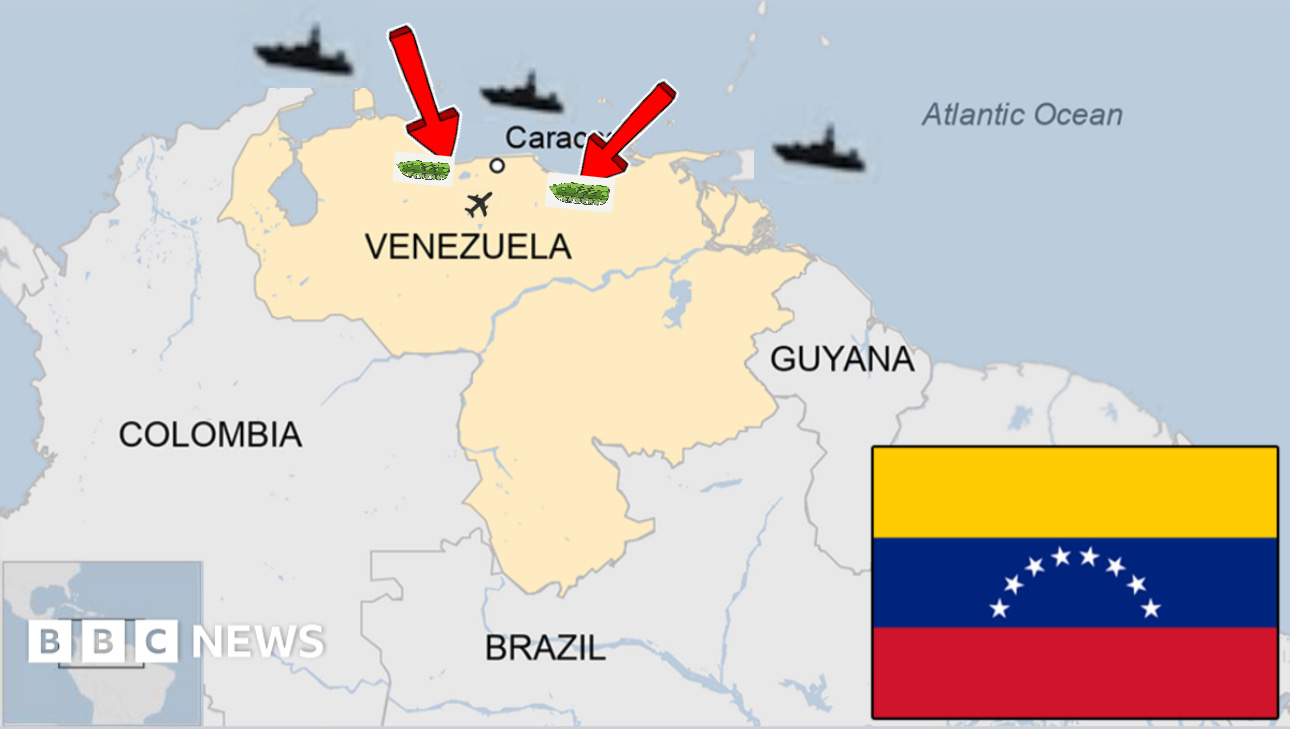
The geography of Venezuela is a defender’s dream. After nearly 2 decades of war, the last thing we would want is to send troops into the meat grinder of Caracas. So I would abandon the century old obsession with capturing the capital and instead focus on “unplugging” the nation. This new doctrine idea shifts the center of gravity from the seat of political power to the physical arteries of survival: the ports, the airbases, and the oil-processing terminals.
In this hypothetical analysis, we move away from the sledgehammer approach of total territorial conquest and toward a surgical scalpel that targets the regime’s ability to move and project power in the country.
The Philosophy
Most military failures in the 21st century come from an inability to transition from combat to stability. In Venezuela, the “Combat Phase” could be imagined as a march through the mountains toward the Miraflores Palace. This is a trap. Caracas is a valley fortress shielded by the Cordillera de la Costa. Entering it means engaging in house to house fighting against millions of residents and armed “Colectivos.” This would prolong operations, create even more humanitarian issue and bog down operations, possibly leading to a repeat of the last 20 years.
The Hypothetical Strategy bypasses this entirely. By identifying the critical logistical valves along the northern coast, an invading force can induce total state paralysis within a week. If you control the flow of food, fuel, and information, the leadership in their mountain bunkers becomes irrelevant. They are no longer a government.
**Please don’t forget to like the article to boost it in the Substack algorithm
Phase I: The Digital and Air Denial
The operation begins with a total electronic blackout. Venezuela’s Integrated Air Defense System is powered by Russian technology, like the S-300VM Antey-2500and Buk-M2E systems. These are the “eyes” of the country.
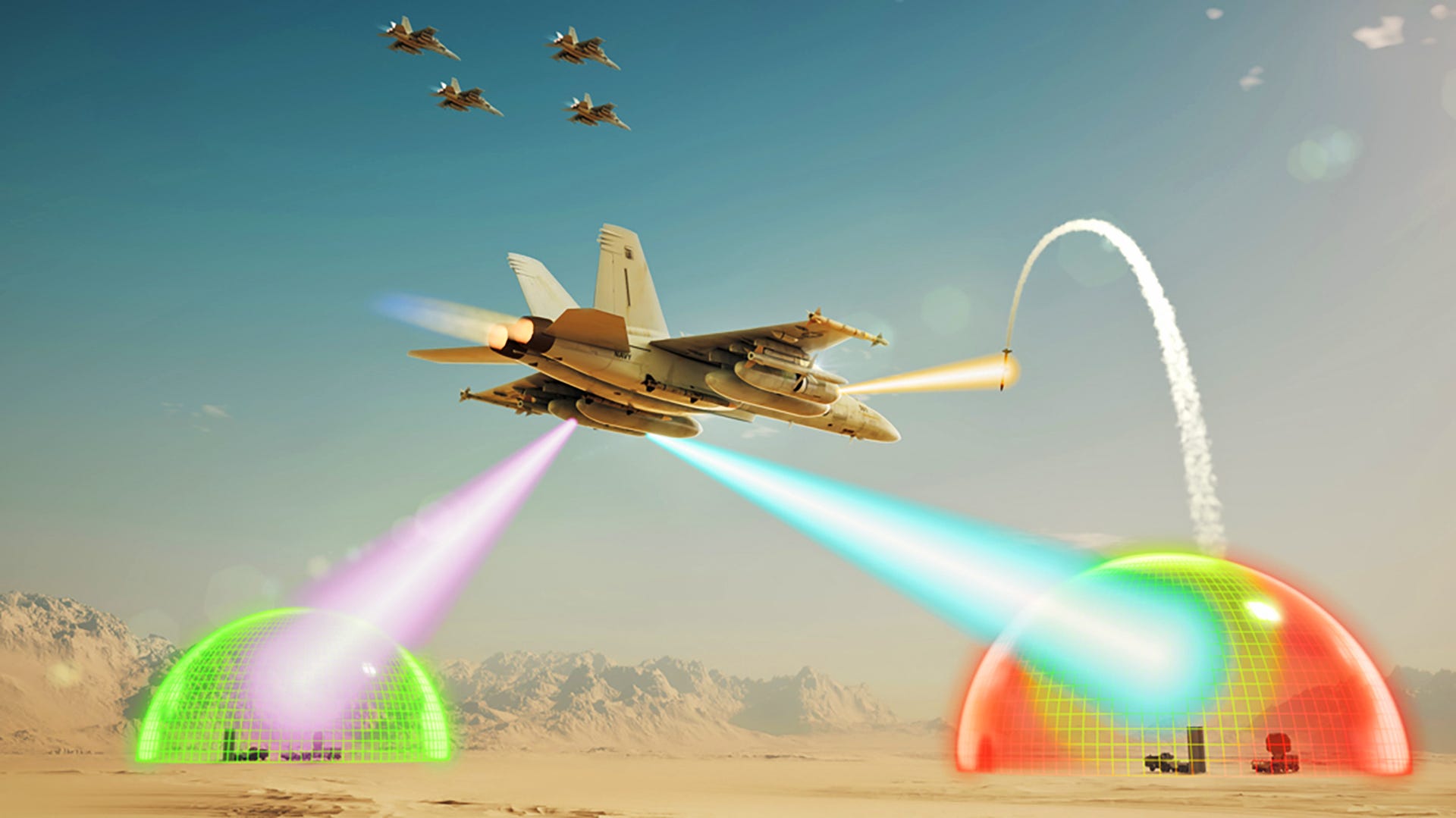
The opening play involves high altitude Electronic Warfare (EW) platforms like the EA-18G Growler and EC-130H Compass Call. These assets saturate the enemy acquisition radars with broadband noise, while employing “digital radio frequency memory” (DRFM) to create thousands of ghost targets. This forces the defenders to choose between staying dark and being blind, or turning on their radars and becoming targets for Anti-Radiation Guided Missiles.
By killing the command and control layer, the local units at the ports and airfields are left to fight in isolation, unable to coordinate with Caracas or each other.
On to Naval tactics at Puerto Cabello, the engineering solutions to port sabotage, the Aviation bridges Maracay, and what might go wrong
**Please don’t forget to like the article to boost it in the Substack algorithm
Phase II: The Naval Battle for the Ports
With the sky uncontested, the physical invasion would start with a two-pronged amphibious landing.
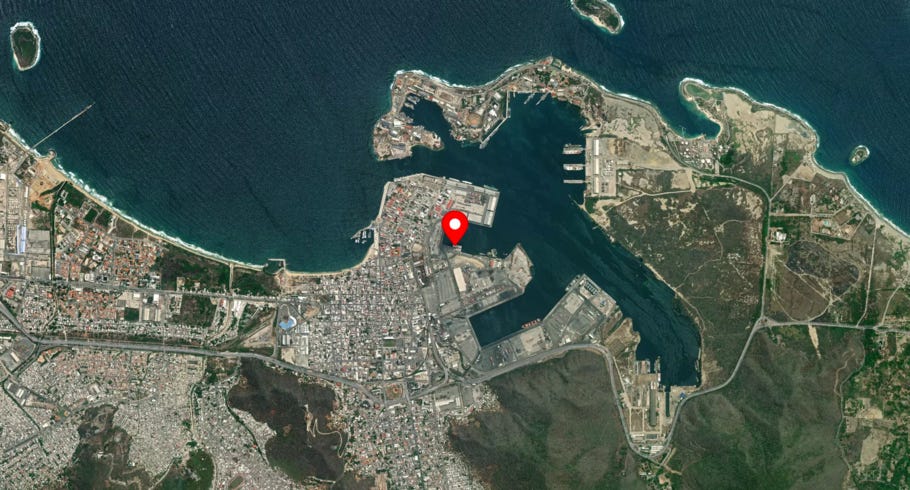
Puerto Cabello: The industrial heart. This is the “Download Point” for heavy armor and sustained logistics.
Barcelona/Puerto La Cruz: The energy gateway. Seizing this cuts the regime’s revenue and fuel supply.
Naval tactics in this phase rely on sea control. A layered screen of destroyers provides an umbrella against coastal anti ship missiles, while attack submarines clear the Gulf of Triste of in the event the countries submarines are operational.
What could go wrong? Read Team Thought: Port Sabotage
The regime likely understands that Puerto Cabello is the only door for a heavy army. Their most likely counter move is to scuttle large tankers or cargo ships directly in the narrow entry channel effectively choke this area
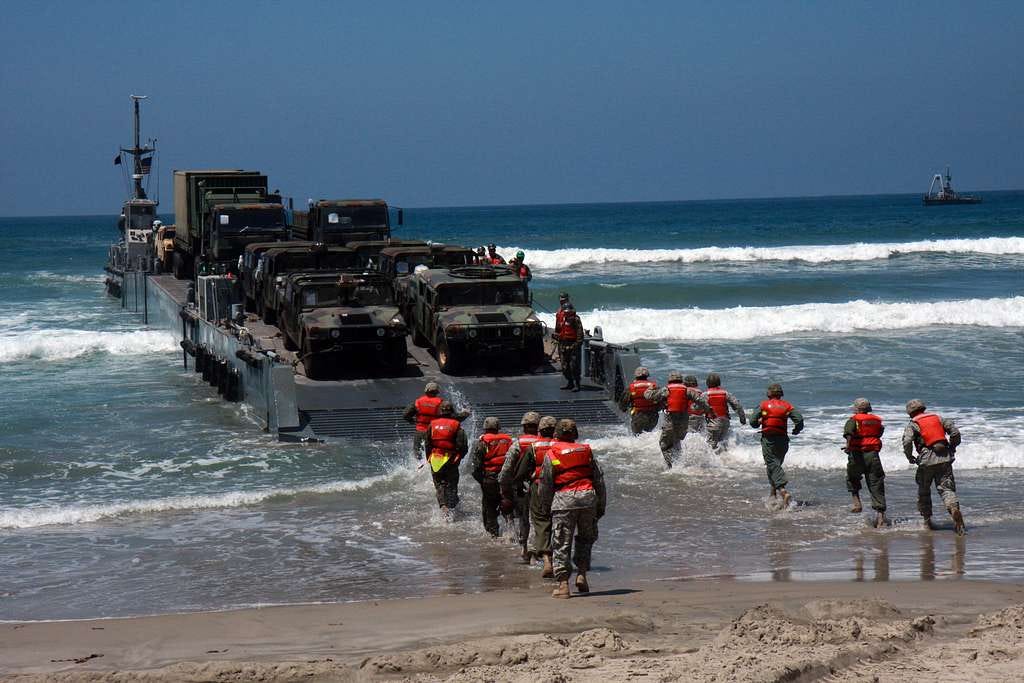
This Strategy integrates will need to integrate Naval Operations into the initial wave. Clearing a blocked channel under fire would require Navy EOD teams to scuttled hulls into manageable pieces, while allowing Seabees to deploy causeways to bypass damaged piers.
Phase III: Airfield Siezure of BAEL
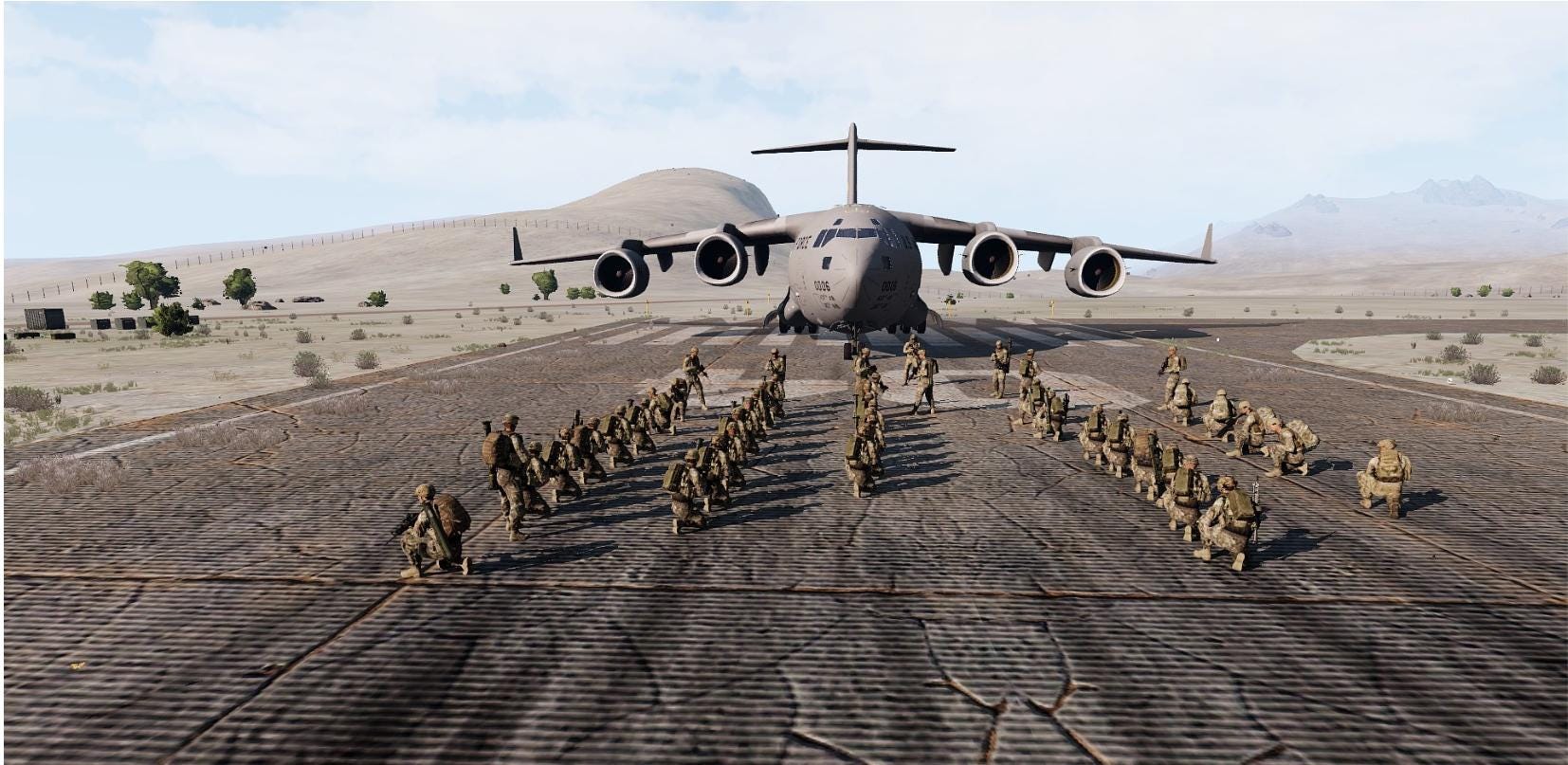
While the Marines secure the coast, an air assualt operations is launched against Base Aérea El Libertador (BAEL) near Maracay. 75th Ranger and the 82nd Airborne Division drop directly onto the airfield and skip the steep roads of the coastal range.
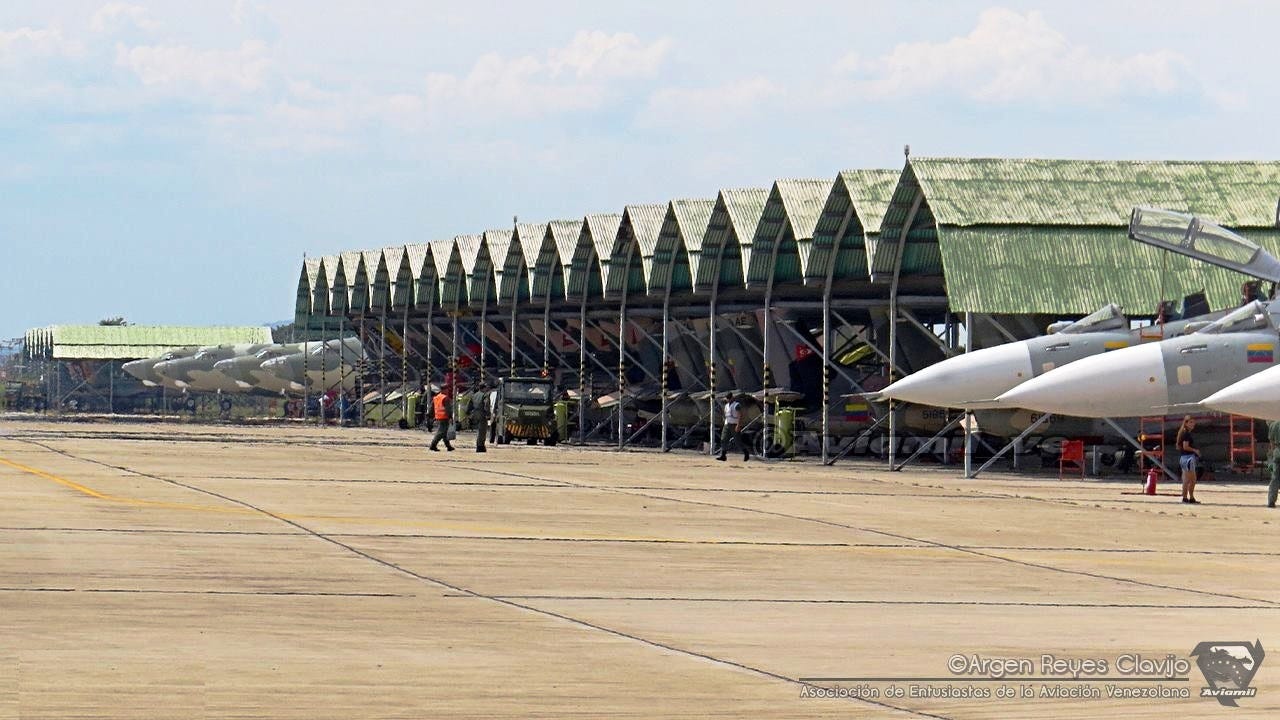
Seizing BAEL provides a 10,000-foot runway that becomes the “Air Bridge.” Within 24 hours, C-17 Globemasters can can start landing, bringing in Strykers and artillery systems. Since BAEL sits on a plateau between the coast and Caracas, it allows you to not only maintain the high ground, but also have a hub for operations while cutting off Caracas from its deep water port.
Phase IV: Future Logistical Realities
I’ve ready arguments that the regime could survive by retreating to the southern gold mining regions, but I don’t give this idea any weight
Modern, state scale gold mining requires a constant influx of industrial chemicals, and heavy machinery parts 90% of which arrive through the northern ports. Furthermore, raw gold ore is functionally useless for paying global actors unless it can be refined and transported to international markets. By controlling the northern airfields and deep-water ports, you can effectively cut them off from the world. Russia is balls deep in their own war and won’t come to save them. They can’t use that gold to fund anything because they’ll never get it out of the country.
Phase V: Humanitarian Effort
Let’s say this strategy works.. you create an immediate responsibility problem: the survival of 30 million people. Caracas produces almost no food. If the relief effort fails, the military victory is buried by the need of the people. This is the biggest reason I would be against any way, because the influx of refugees would cost more than the military operations.
…But lets says it happens… A logistics corridor would need to be established immediately:
And now you’re trying to offload thousands of tons of grain and medical supplies daily deal with the multiple fractured groups of the areas and likely get hit by guerillas while doing it. The best case is that the regime quickly calls and the people choose to abandon the regime.
Based on the famous Somali Civil War and Operation Restore Hope, you’ll likely be dealing with local factions making attempts to control aid which could pludge the region into secondary wars
What could go wrong? Maduro’s Scorched Earth Plan
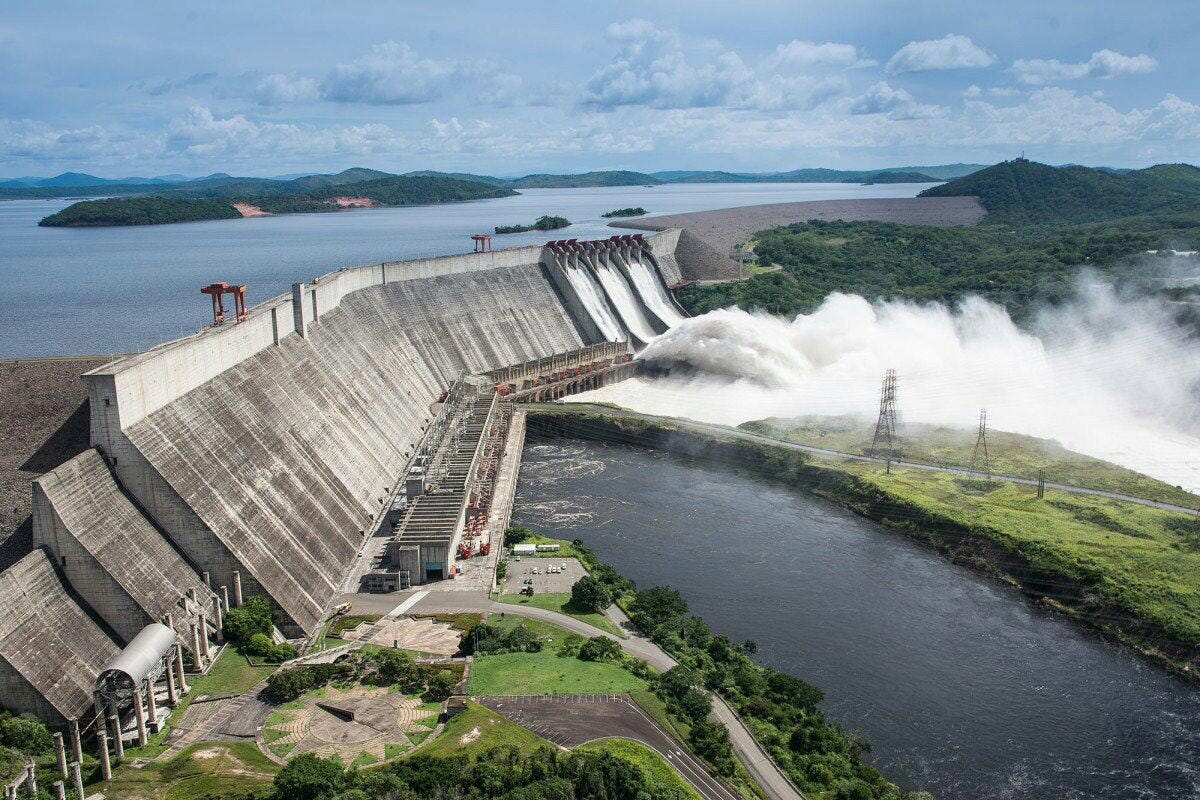
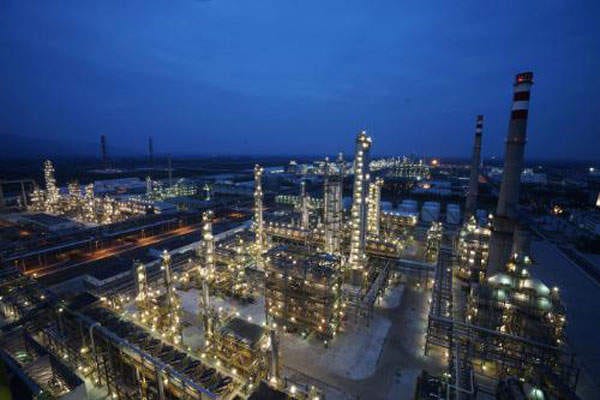
In a retreat, the regime could likely target it’s national infrastructure. This includes blow oil plants denying any occupies use of resources or even dastardly sabotaging the Guri Dam and sending the country into the stone age. I wouldn’t put it past them to do this, because you could always blame it on the invaders
So another part of this end game may include providing power to the country in an attempt to prevent a total collapse during the transition of power.
In the end
This hypothetical strategy succeeds or fails because you treats the nation as a living organism. You don’t need to destroy the (Caracas) to stop the country; you only need to sever its blood supply.
Eitherway, you likely end up with half a trillion spent in operations and humanitarian aid.
If you liked the above article, you may love these also


**Please don’t forget to like the article to boost it in the Substack algorithm
My read as a non military dude but Venezuelan guy is the US hopes that stopping oil exports will topple the regime because oil exports is the majority of value Venezuela provides to allies.
And if their value to allies goes to 0 it makes sense they may stop supporting the awful regime and broken country that doesn't work, and then maduro goes away.
Because he's sure as hell needed to be propped up since he took office lol.
I don't like trump at all, but if this is the plan i can acknowledge that other presidents could not have done this because only trump rolls in the mud with his rhetoric and actions enough to get away with sinking/stealing ships from another nation.
Weird win if that all works out like that.