

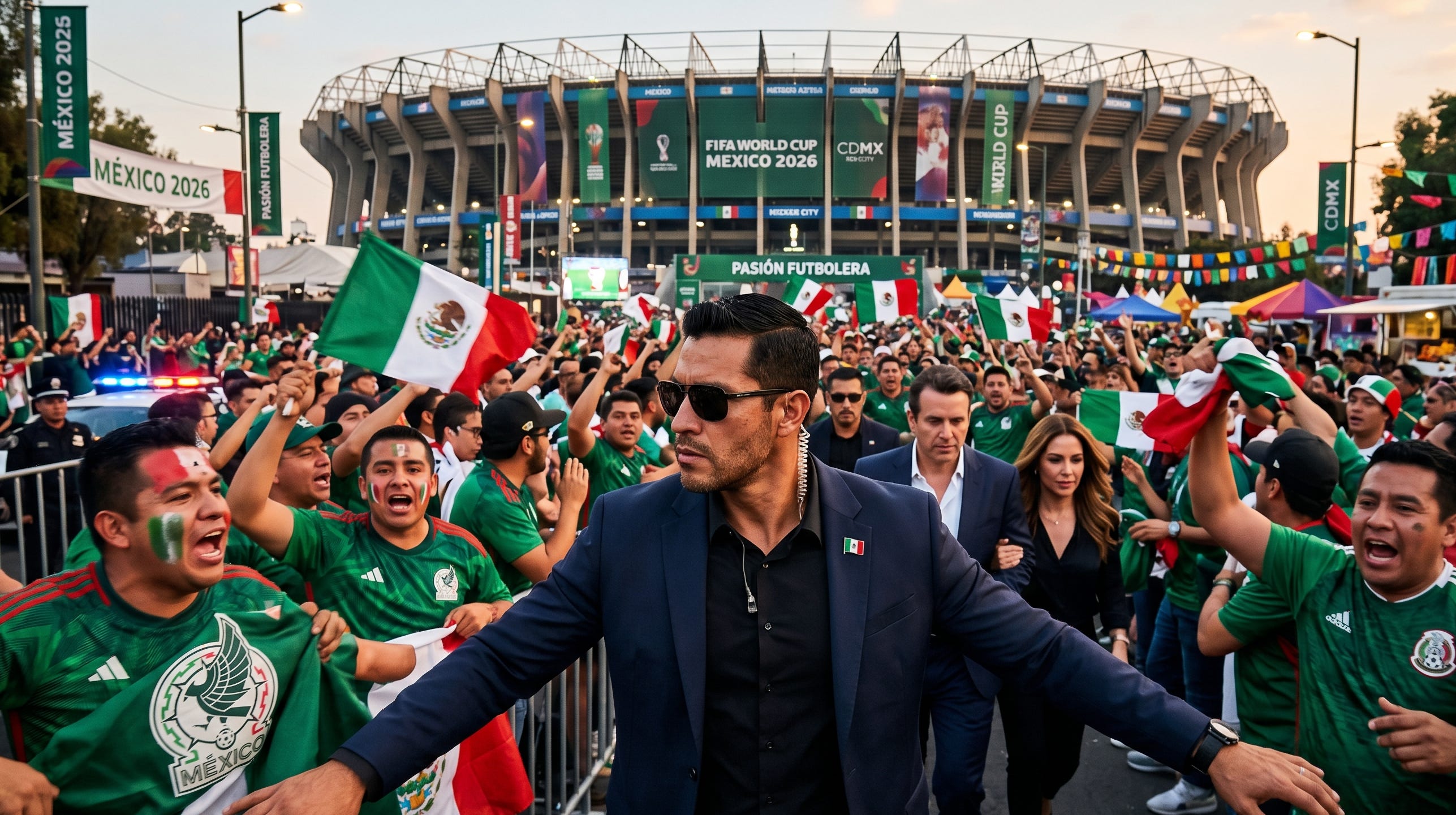
*This article has been in the works for weeks prior, as I forecasted possible “disruptions” happening in Mexico

The 2026 World Cup, again, is not just a sporting event; for the three host cities in Mexico, it is a stress test of urban infrastructure and security.
The incident in Teotihuacan could be one of many stress tests the country will face.
With 148 teams and 104 matches, the load on Mexico City, Guadalajara, and Monterrey could redline. For anyone arriving for the tournament, the primary adversary is not a specific threat, but the systemic saturation of the environment.
When millions of people descend upon these hubs, the official systems for transit and security may reach a point of diminishing returns.
While some would say this is “fearmongering,” To attend this event successfully, you’ll need to think beyond just a visitor mindset and adopt a new perspective.
This brief is MY dissection of the terrain and the structural friction points that will define the tournament.
The Lay of the Land
Mexico City (CDMX): Southern Labyrinth
The Estadio Azteca/Banorte Stadium is located in the south of the city, an area of relatively high-density residential zones and informal commerce.

The Tlalpan : This is the primary area surrounding the stadium outside of Coyoacan. On match days, it becomes a static environment. Regular GPS will often suggest “shortcuts” through neighborhoods like Santa Úrsula or Coyoacán, but some of these areas have narrow, one-way streets that may be easily blocked by informal parking and crowd overflow.
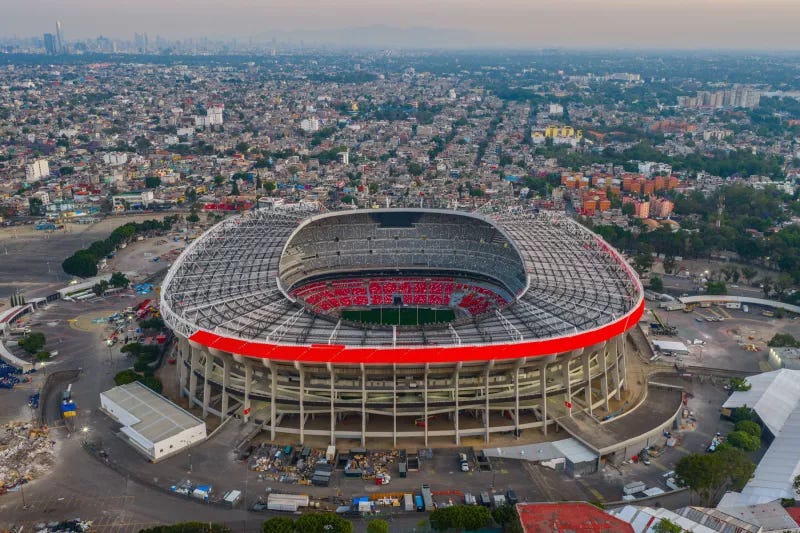
Transit Hub: The intersection of the Metro and the Tren Ligero at Tasqueña creates somewhat of a bottleneck. If your plan relies on being dropped off near the stadium, you might find yourself walking the final 2-3 kilometers through an uncontrolled, crowdy areas.
Guadalajara: Zapopan
The Estadio Akron is an island stadium located in the Zapopan municipality, separated from the city core by the beltway.
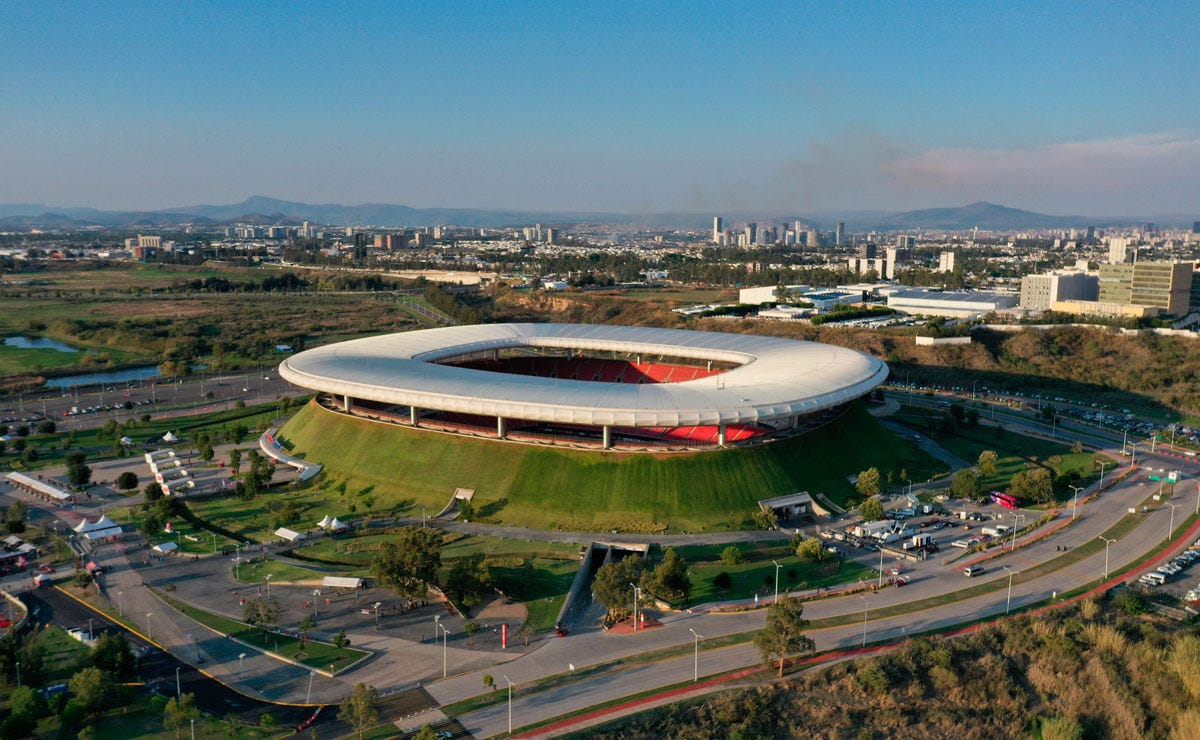
Bottleneck: Guadalajara’s primary ring road is the only major access point to the Stadium. I assume that during the World Cup, the surge in ride share demand will lead to lots cancellations and predatory off-app pricing. This is simply the Mexican way of doing business.
Minerva as a bugger: Most individuals will probably try to stay in the Minerva or Puerta de Hierro districts. The transit between these hubs and the stadium includes crossing several high-traffic junctions that are prone to traffic jams.
Note: Guadalajara’s movement is run by the pulse of the Periférico/Beltway. You will probably need to account for traffic for upwards of 3 hours if you cannot use lateral routes. I’m predicting that areas will be a hellscape to get in and out from.
Monterrey: The Industrial City
The Estadio BBVA (“Gigante de Acero”) is in Guadalupe, while the primary accommodations for most people will likely be in San Pedro Garza García.
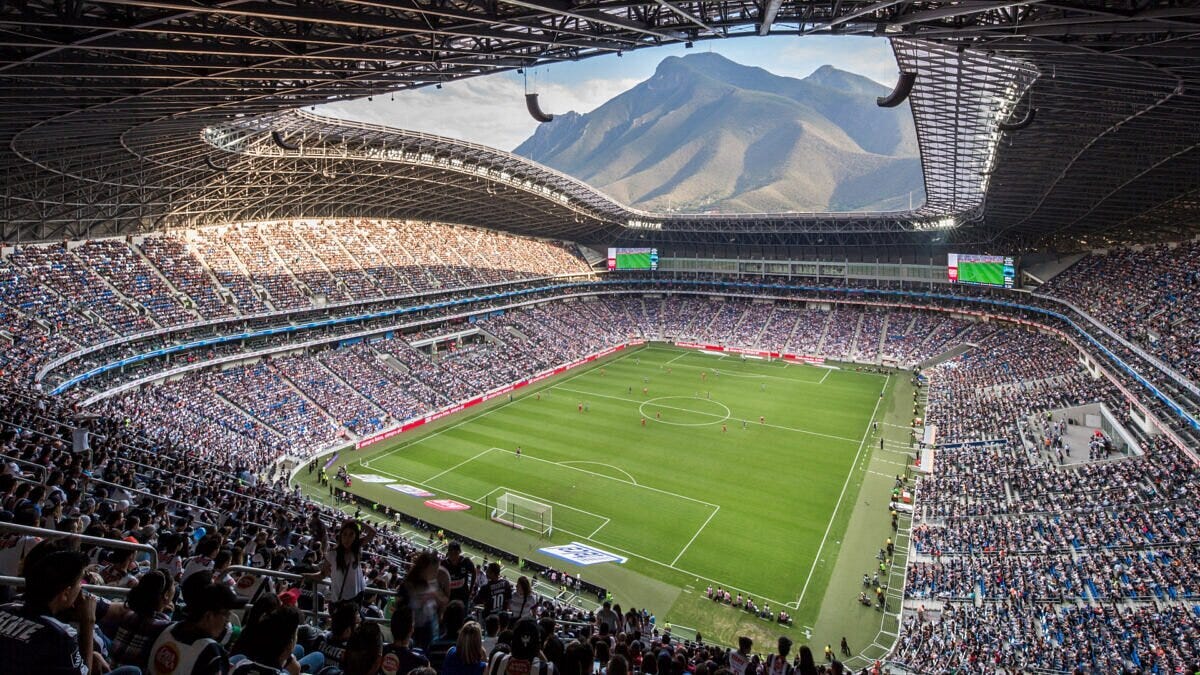
Loma Larga: The main transit between San Pedro and the rest of the city often involves the Túnel de la Loma Larga. A minor incident in this tunnel or on the Morones Prieto can stop all movement between San Pedro and the stadium for hours.
*Monterrey is also a near-desert city in the north..In June you often get a combination of 40C+ 100F+ heat. It’s not unheard of for a cheap rental car to breakdown.
Structural Friction
The public lie of large scale events is that the state can provide a security shield for all visitors. The private truth is that official capacity is always prioritized for teams, heads of state, and FIFA officials. The general raveler is left to navigate a saturated infrastructure with diminished resources. The Teotihuacan incident has already proven that.
Failures in formal transit
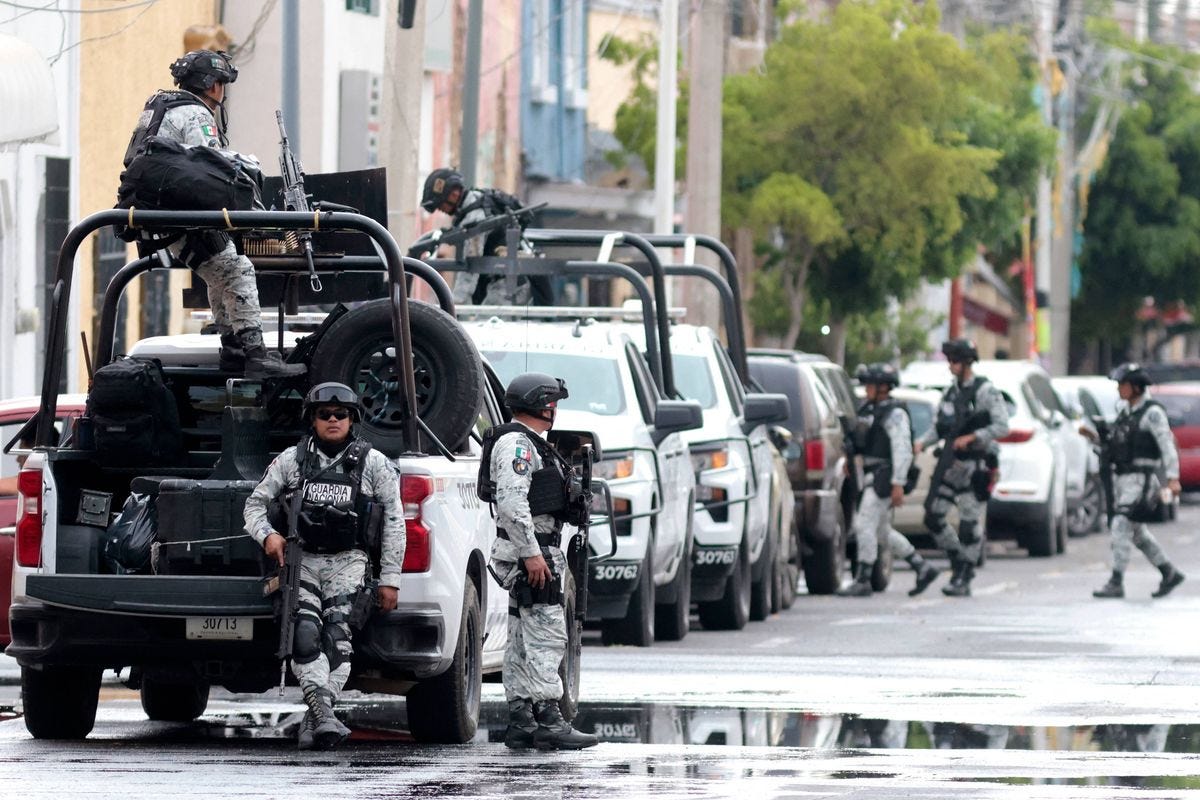
I personally think that ride-share apps (Uber/Didi) will be barely viable for the average person. I have been to large events in the cities and you often end up walking nearly a mile out of the event zone and still waiting 20+ minutes for a ride. The music festival often have spending 2-3 hours just trying to get home. For higher networth movement, this is likely not acceptable considering the lack of SUVs in the city.. Algorithms will surge prices, drivers will prioritize “short-burst” city trips over the 3-hour stadium slogs. Furthermore, the National Guard security checkpoints established near the stadium will further bog down everyone.
**The Bodyguard Fallacy
Now….There is a common misconception that “protection” is provided by a man with a weapon. In a city of 22 million people under total saturation, a weapon is a secondary tool. The primary tool is the US Military called, the P.A.C.E. Plan (Primary, Alternate, Contingency, and Emergency).
If your entourage or security detail is sitting in a 2 hour traffic jam, you aren't going to enjoy your experiences, or in the event of security…they aren’t protecting you…
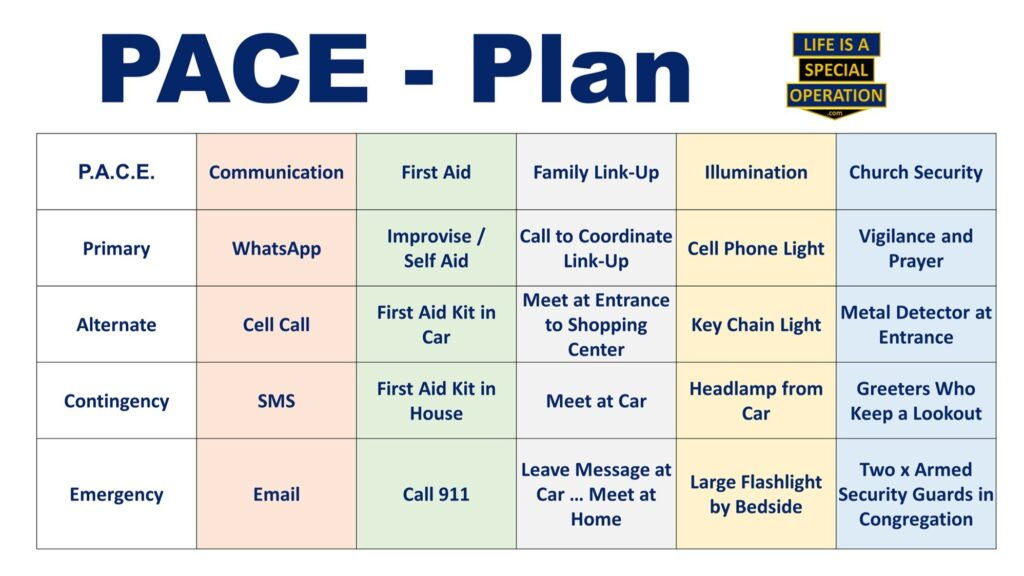
Possible Protocol
Essentially, movement in Mexico during this period is not about “beating” the city; it’s about navigating the chaos as best as possible.
And for some people…That means hired
Having spent years in the U.S. Military, so many of my views of the World Cup are through the lens of a mission-critical deployment. I trained and facilitated the training of over 1,000 soldiers in weapons and logistics, and I apply that same discipline to life.
So I can also say…
A professional detail is only as good as the ground element. In Mexico, you do not hire a regular driver for these events. You deploy vetted people:
If you search on your own, you should be looking for:
“Tactical” English Proficiency: Someone with the ability to communicate safety status and logistical pivots in real-time without friction.
Mechanical Competency: Someone with the ability to handle higher stress driving and basic maintenance in a vehicle.
Local Fixers: Someone with standing and connections to navigate a checkpoint or an informal blockade without escalating the situation.
For the World Cup Period, I will offer my consulting services
For the World Cup, the market for vetted vehicles and trained people will likely be exhausted before the tournament. I will help provide a sterile, logistics first solution for those who prioritize their time.
Tiers
Tier 1: On average, an unarmed Executive cost around $800 USD/day per group: Low-profile, high efficiency transit. Focus on getting you to and from where you need to go with the least amount of headaches.
Tier 2: On average, an armed Executive runs around $1,150 USD/day per group: For requiring a visible or concealed deterrent. This leverages my connections with former special forces, federal police, and career executive protection agents. People from specialized military or federal backgrounds who understand the responsibilities of their role.
Process
If you would like to talk about this directly, here are the next steps.
Strategic Consultation: We review your itinerary to identify friction points (Hotel-to-Stadium, Airport-to-San Pedro, etc.) to build a general quote around your needs.
Asset Sequestration: A 50% non-refundable deposit locks in specific vehicles and elements.
The Agreement: A formal Agreement establishes the movement. The Escorts/EPS have final authority over movement and safety.